PhD Supervisors

Spanish National Research Council (CSIC)

The Dynamics Biodesign Lab (DBDL), led by Dr. Pablo Carbonell, creates innovative solutions for automated biofoundries, fostering sustainable industrial biotechnology across the bioeconomy sectors. The lab combines synthetic biology, machine learning, and biosensor and pathway dynamic regulation design to produce next-generation bio-based chemicals.

The Computational Synthetic Biology group (CSBG), led by Dr. Irene Otero-Muras, works on the design, analysis and control of  biomolecular networks: nonlinear, complex systems – sometimes subject to significant molecular noise- with relevance in cell regulation, signaling and metabolic processes. The research aims to advance fundamental understanding and address innovative applications for systems and synthetic biology.

The Biotechnology of Industrial Yeasts Laboratory of I2SysBio, led by Dr. Agustín Aranda, deals with the use of different species of yeast of biotechnological interest, mainly Saccharomyces cerevisiae during winemaking. We are focused in regulatory systems as stress response (mainly oxidative) and nutrient signaling pathways, and we use genetic manipulation to characterize such mechanisms in conditions that mimic industrial environments.
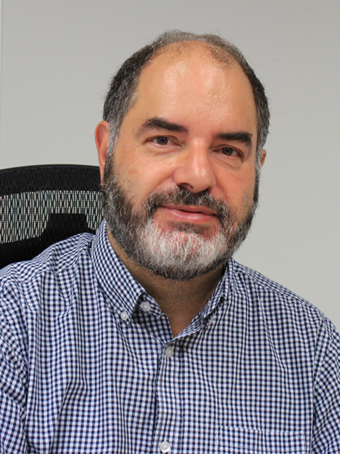
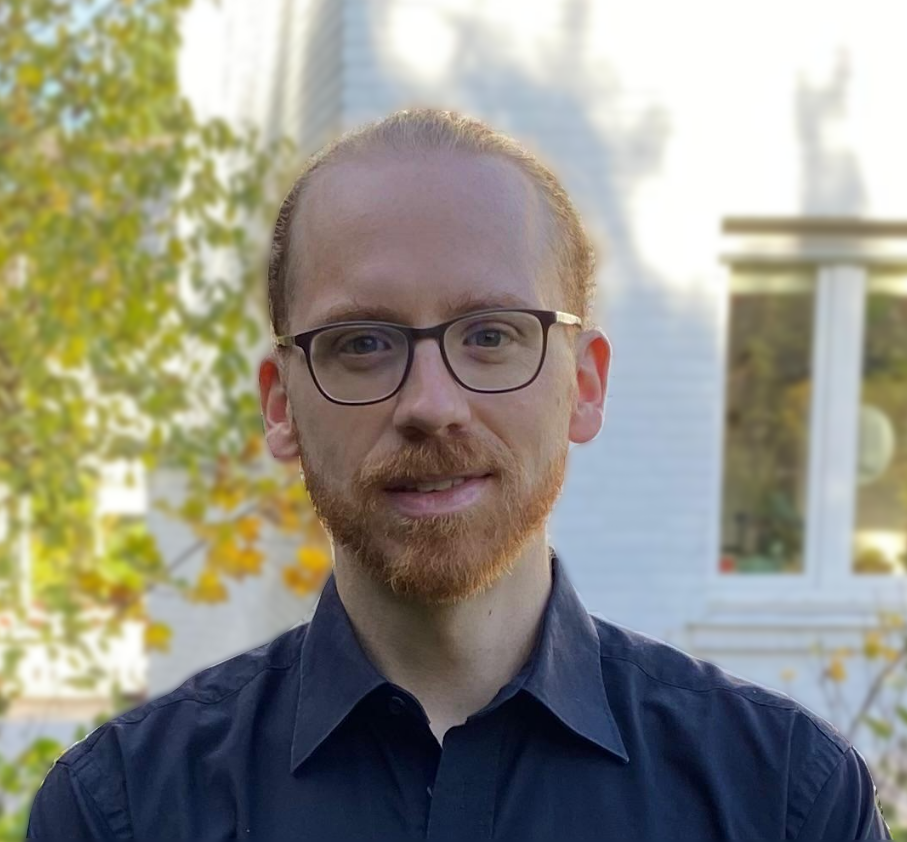
Pablo-Carbonell

RWTH Aachen University

At the Institute of Applied Microbiology, RWTH Aachen University, we develop next-generation biotechnological processes that transform sustainable resources into valuable products. By combining synthetic biology, fermentation, data analysis, and computational modeling, we address global environmental challenges and drive the transition toward an industrial-scale sustainable bioeconomy. The Industrial Systems Biotechnology research group, led by Tobias Alter, specifically focuses on creating and applying model-based tools and technologies to analyze microbial systems, engineer improved microbial functions, support fermentation scale-up, and assess the techno-economic feasibility of bioprocesses. Bridging biology, engineering, and data science, we strive to unlock the full potential of integrated knowledge and data to accelerate the development of efficient, scalable bioprocesses.

Tobias-Alter

Bio Base Europe Pilot Plant

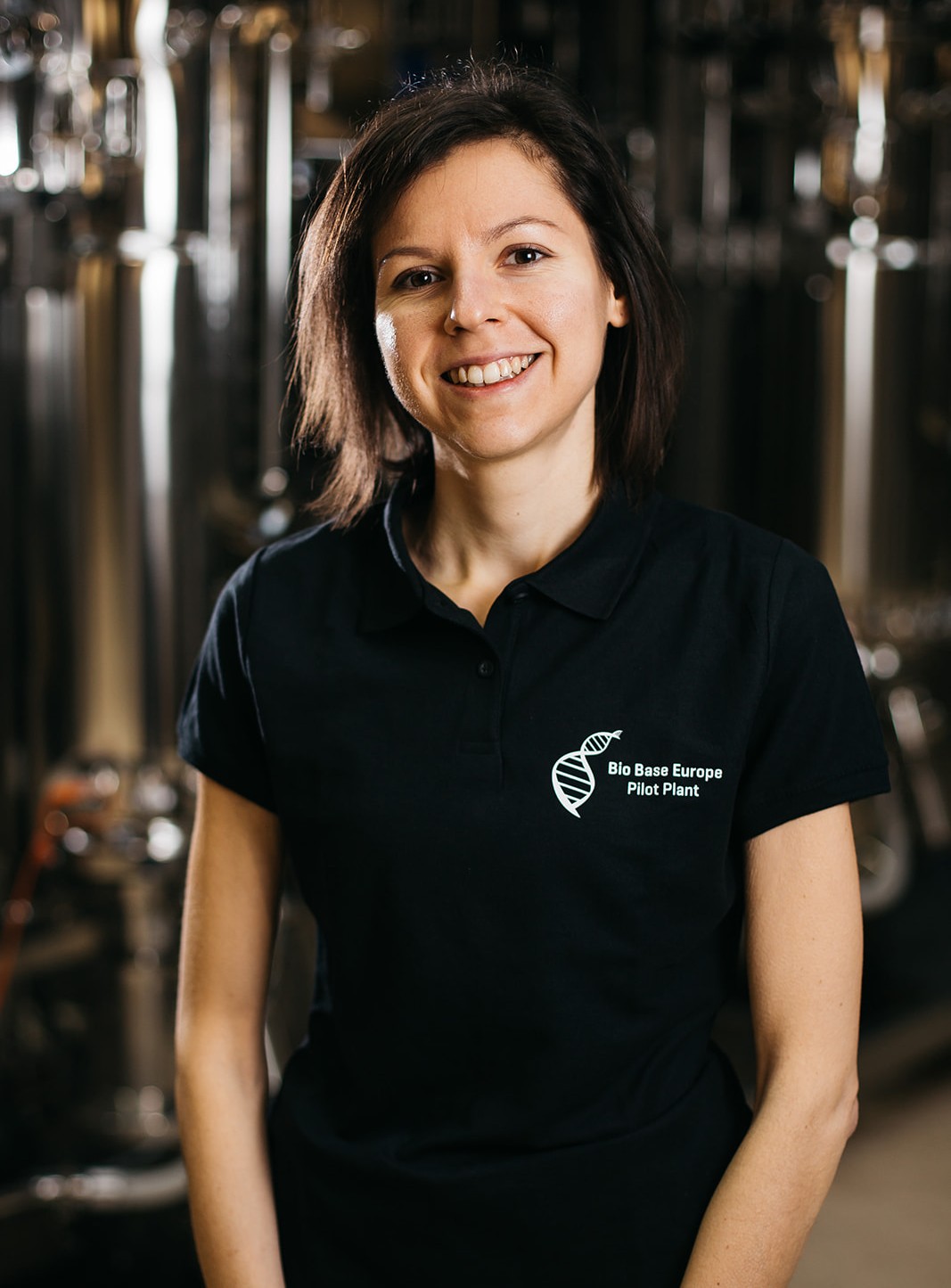
Bio Base Europe Pilot Plant vzw is an independent, state-of-the-art facility for research, development, and scale-up of new biobased processes. BBEPP has built broad experience in advanced fermentation processes, gas fermentation, biocatalysis, green chemistry, (in situ) recovery and purification techniques, and bioprocess modelling and simulation tools for industrial-scale assessments. It has the capacity and expertise to develop, optimize, scale, and assess a wide spectrum of modular unit operations and to build integrated process lines in a highly industrially relevant R&D environment. BBEPP has been responsible for these tasks in over 100 publicly funded projects so far, and has served over 200 customers (start-ups, SMEs and large companies) in over 500 private projects.
Evelien-Uitterhaegen

Technical University of Denmark

At the Novo Nordisk Foundation Center for Biosustainability at the Technical University of Denmark (DTU Biosustain), we develop methods and technologies for large-scale production of natural products, sustainable foods, and sustainable bio-chemicals. Consumers need options to choose sustainable products that have a greener footprint than what is currently available. The Centre’s research activities support our mission of offering sustainable products for sustainable lifestyles. DTU Biosustain’s activities fall under three categories: Natural Products, Microbial Foods, and Sustainable Chemicals. The centre also hosts the Sustainable Innovation Office. This multidisciplinary unit continually assesses how the Centre’s research and innovation outputs contribute to improving research and production. It suggests strategies to maximize economic and environmental performance.

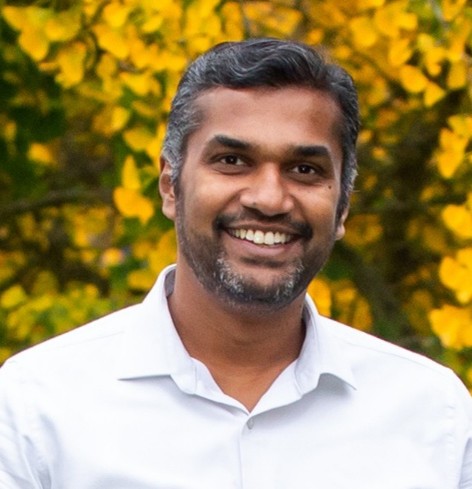
Dr. Sumesh Sukumara is a Senior Researcher and Independent Team Leader in the Sustainable Innovation Office at DTU Biosustain. He earned his Ph.D. in Chemical Engineering from the University of Kentucky, USA. Since then, he has held various research and leadership roles at the CfB. His work focuses on guiding sustainable innovation. He evaluates and enhances the broader economic, environmental, and technological performance of bio-based solutions. As part of a multidisciplinary team, he supports strategic R&D in microbial production of foods, chemicals, and natural products.

DTU Biosustain

Sumesh-Sukumara

University of Iceland

The University of Iceland offers opportunities for study and research in almost 400 programs spanning most fields of science and scholarship: Social Sciences, Health Sciences, Humanities, Education, Natural Sciences and Engineering. The University employs over 1.600 people (FTE) and has over 700 PhD students, of which around 10 are from the Faculty of Food Science and Nutrition at each point in time. The Faculty of Food Science and Nutrition at the University of Iceland has focus in their research among others on supply chain management in food production and assessing environmental and health impacts of foods and diets.

Ólafur Ögmundarson is an Associate Professor at the University of Iceland, and he is Faculty Dean of the Faculty of Food Science and Nutrition. He chairs the Board of Teaching at the School of Health Sciences and sits on the Sustainability board of the University of Iceland. Ólafur earned his PhD from the Technical University of Denmark (DTU), and to date he has been participating in numerous EU projects both as project manager and also as active research participant. Ólafur´s research focus is on interdisciplinary research assessing impacts of foods and diets. His specific focus and interest is on environmental impacts of future foods, food systems and how changes in dietary patterns affect food security including environmental potential benefits of single cell proteins. This focus is also reflected in his teaching where main topics are life cycle assessments, food systems, diets and food production and connections to the United Nations Sustainability Goals

Faculty of Food Science and Nutrition

University of Iceland

The University of Iceland offers opportunities for study and research in almost 400 programs spanning most fields of science and scholarship: Social Sciences, Health Sciences, Humanities, Education, Natural Sciences and Engineering. The University employs over 1.600 people (FTE) and has over 700 PhD students, of which around 10 are from the Faculty of Food Science and Nutrition at each point in time. The Faculty of Food Science and Nutrition at the University of Iceland has focus in their research among others on supply chain management in food production and assessing environmental and health impacts of foods and diets.

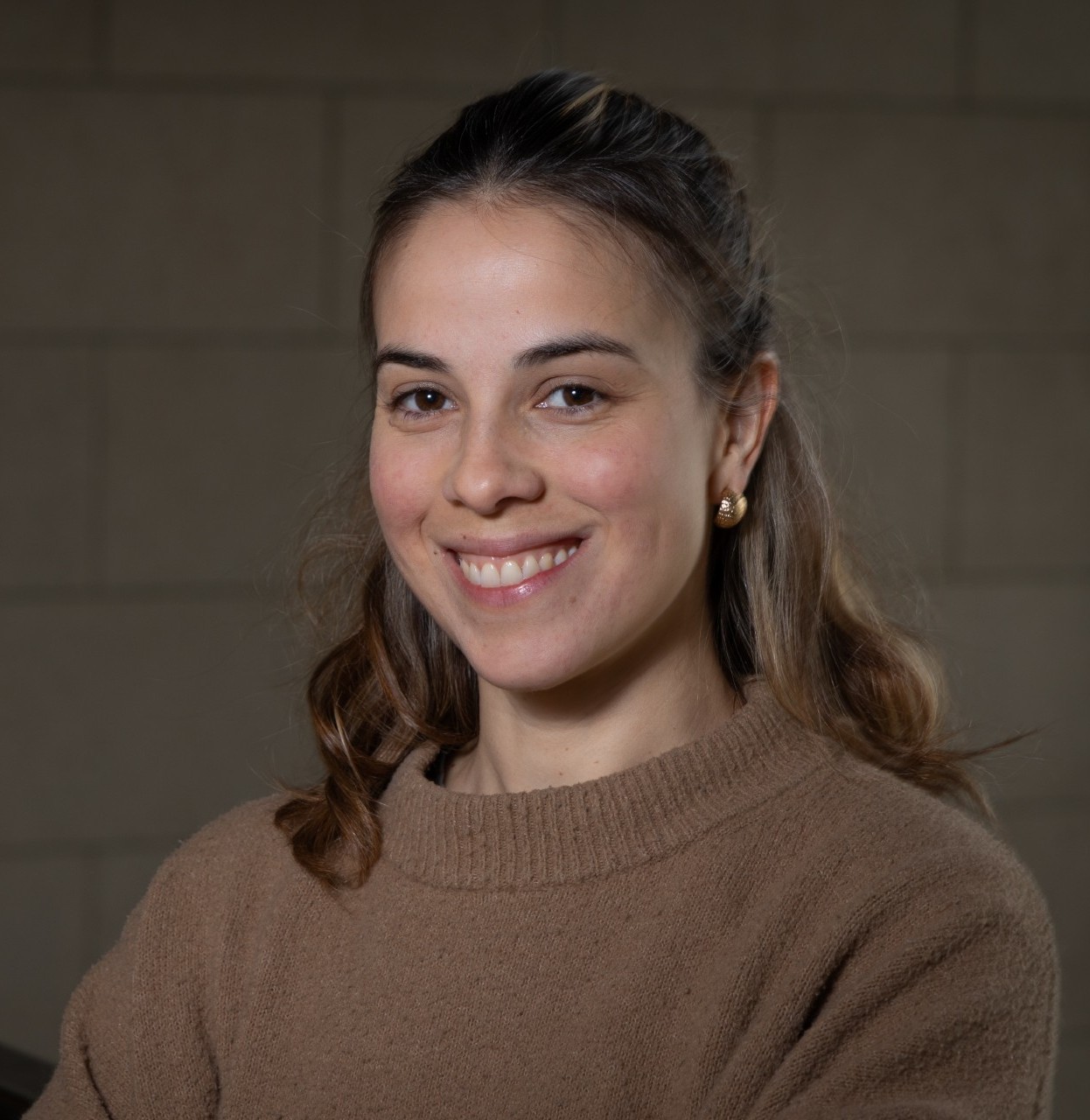
Clara Vásquez-Mejía is an Adjunct Professor at the Faculty of Food Science and Nutrition at the University of Iceland. Her specific research focus is on the environmental impacts of food systems, with a particular interest in water footprint. She takes active teaching on multiple courses, including food microbiology, food innovation, and Life Cycle Assessment.

Sant’Anna School of Advanced Studies

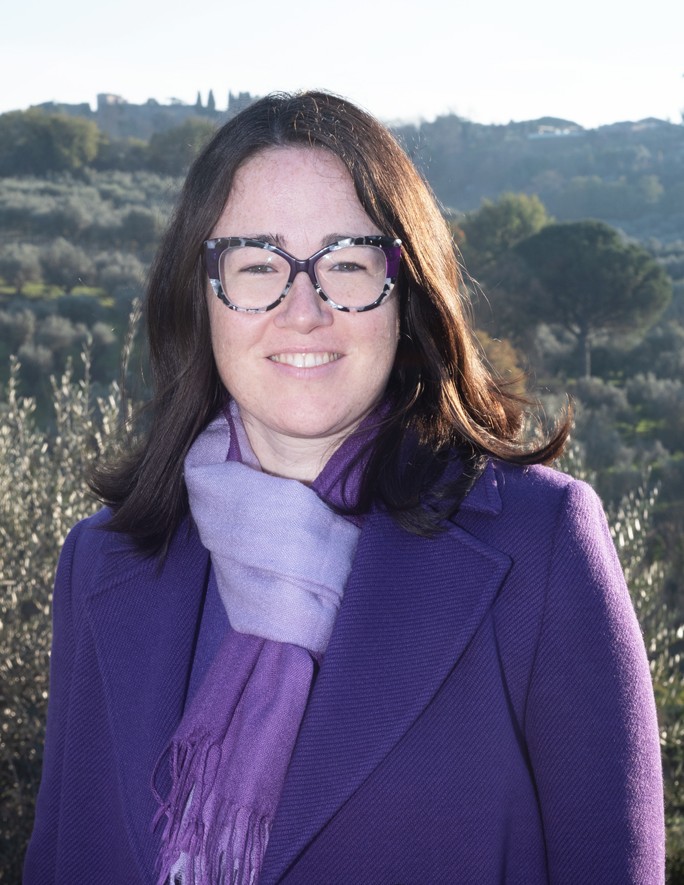
The COGITO (Consumption Oriented Green Innovation Tools platform for Life Cycle Assessment) Lab is part of the Interdisciplinary Center on Sustainability and Climate of Sant’Anna School of Advanced Studies (SSSA). The COGITO Lab is a highly interdisciplinary research group dedicated to the methodological advancement and application of Life Cycle- based approaches, encompassing the social, economic, and environmental dimensions of sustainability and requiring the integration of technical and social sciences. Our research primarily focuses on Life Cycle Assessment (LCA) and circular economy analyses to evaluate the environmental performance of products, processes, services and organizations across diverse industrial sectors. In particular, the COGITO Lab is increasingly engaged in advancing cutting-edge research areas such as prospective LCA and integration of Artificial Intelligence-based tools in LCA for emerging technologies.
Monia-Niero

Sant’Anna School of Advanced Studies

The COGITO (Consumption Oriented Green Innovation Tools platform for Life Cycle Assessment) Lab is part of the Interdisciplinary Center on Sustainability and Climate of Sant’Anna School of Advanced Studies (SSSA). The COGITO Lab is a highly interdisciplinary research group dedicated to the methodological advancement and application of Life Cycle- based approaches, encompassing the social, economic, and environmental dimensions of sustainability and requiring the integration of technical and social sciences. Our research primarily focuses on Life Cycle Assessment (LCA) and circular economy analyses to evaluate the environmental performance of products, processes, services and organizations across diverse industrial sectors. In particular, the COGITO Lab is increasingly engaged in advancing cutting-edge research areas such as prospective LCA and integration of Artificial Intelligence-based tools in LCA for emerging technologies.
Federico-Rossi

Technische Universität Berlin

The KIWI biolab, part of the Institute of Bioprocess Engineering at TU Berlin, integrates advanced automation and analytics to accelerate research in food and biotechnological bioprocesses. Through interconnected systems for high-throughput cultivation, robotic liquid handling, and automated analytics, we enable precise data generation and process control. Our research focuses on modeling and optimization of microbial and biochemical production systems to deepen mechanistic understanding and enhance process efficiency. By combining experimental automation with computational methods, we aim to advance sustainable and scalable bioproduction solutions.
M-Nicolas-Cruz-B-_color

TFTAK

TFTAK (Center of Food and Fermentation Technologies) is an Estonian multidisciplinary CRO founded in 2004. The company is focused on two main research areas: bioprocess optimization and food research. The organisation harbours a wide range of expertise, with more than 100 highly skilled personnel, and specialises in the application of modern analytical methods, systems biology and synthetic biology principles, aiming to develop and implement innovative food and fermentation technologies. Broad knowledge of microbial metabolism and fermentation enables us to provide an array of services through a comprehensive understanding of the molecular components.

The Microbial Bioprocess group in TFTAK, led by Dr. Ranno Nahku, is tackling a wide range of microbial production processes, ranging from 1st and 2nd generation probiotics manufacturing to precision fermentation and filamentous fungi single cell protein production. We rely on examining the processes through microbial metabolism and detailed description of cell behaviour and use tools like omics methods and metabolic modelling to get reliable, quantitative data and build a detailed understanding of the cells. Working closely with our industrial partners, we help to troubleshoot production issues and design robust and scalable processes.

TFTAK

Bashir holds a PhD degree in Sustainable Food Systems and master's degree in environmental engineering and management. His research focuses on the development of future sustainable food systems. His research interests are Environmental Impact Assessment of Food Production and Consumption. Currently, Bashir serves as a sustainability researcher at TFTAK, where he implements Life Cycle Assessment (LCA) technique to improve the sustainability of food products. Through his work, he aims to identify opportunities for promoting environmentally friendly and economically viable food systems.

Bashir-Bashiri